
Pressure Vessels
Drinking-water, heating expansion and high-pressure vessels, from 2L to 1000L
Fewer pump starts, steadier pressure and a longer pump life. We stock Varem drinking-water pressure vessels from 2L to 1000L, MaxiVarem LR heating expansion vessels and PlusVarem 16 bar high-pressure vessels, with next-day delivery nationwide. Tell us the pump and the pressure you need, and we'll size the vessel and set it up.
3 products found
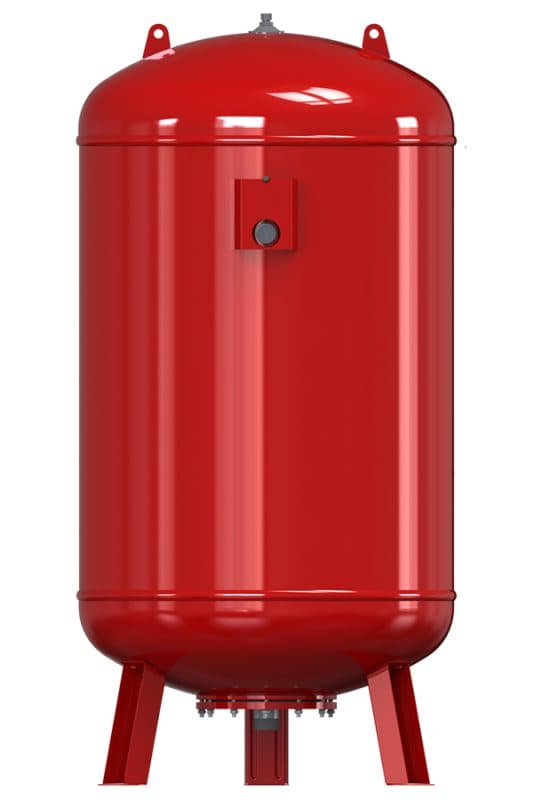 Varem
Varem MaxiVarem
Heating expansion vessel with replaceable membrane — available from 50L to 500L
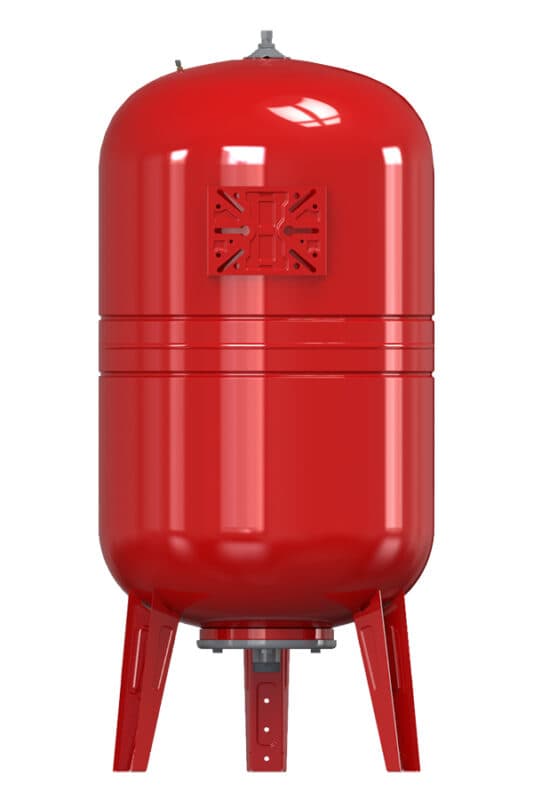 Varem
Varem PlusVarem
High-pressure expansion vessel rated to 16 bar with replaceable membrane
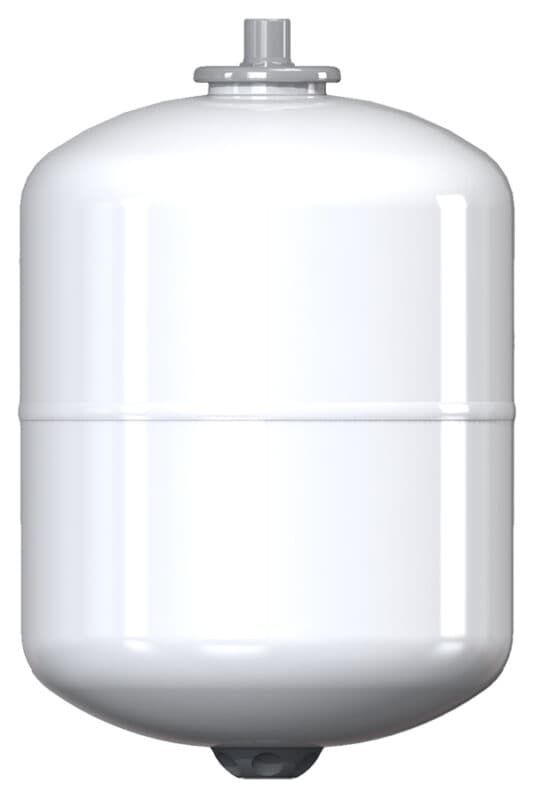 VaremFeatured
Varem ExtraVarem
Drinking-water pressure vessel with potable-grade membrane — available from 2L to 1000L
Choose the vessel
Start with what the vessel is for:
- Varem ExtraVarem, vertical: for pumps, boreholes and booster sets. 2L to 1000L, up to 10 bar. The small 2–24L vessels suit booster pumps and point-of-use systems. The 36–1000L vessels suit homes, farms and booster sets, and stand on their own legs.
- Varem ExtraVarem, horizontal: when the pump sits on the vessel. 36L, 60L and 100L, rated to 10 bar, with a pump stand built in.
- MaxiVarem LR: for closed heating circuits. 50L to 500L, 6 bar. It takes up the extra volume as the water heats, so the relief valve stays shut. Not for drinking water.
- PlusVarem: for systems above 10 bar. 20L, 50L and 100L, rated to 16 bar, for commercial boosting and high-rise buildings.
Safe for drinking water. In our drinking-water vessels, the water sits inside a potable-grade membrane and never touches the steel.
Set the pre-charge. The air charge must suit the pump:
- Fixed-speed pumps: 0.2 bar below the pump's cut-in pressure.
- Variable speed pumps: 20% below the running pressure.
- Extra vessel on a Walrus HQ_B: match the pump's own vessel, about 1 bar.
Check it once a year, with the pump off and the water side at zero pressure. Here's how to check a pressure vessel's pre-charge.
Fit it close to the pump outlet, ideally on a brass 5-way connector, with an isolating valve so the vessel can be serviced. See all accessories.
Full specs and dimensions: download the Pressure Vessels & Accessories brochure (opens in a new tab) (PDF).
Frequently asked questions
What does a pressure vessel do?
A pressure vessel stores water under pressure in your system. When you open a tap, small draws come from the vessel instead of the pump, so the pump starts less often and runs for longer when it does. That means steadier pressure and a longer pump life. In our drinking-water vessels, the water sits inside a potable-grade membrane and never touches the steel.
Which pressure vessel do I need?
It depends on the job:
| Vessel | Use | Sizes | Max pressure |
|---|---|---|---|
| Drinking water, vertical | Pumps and booster sets | 2–1000L | 8–10 bar |
| Drinking water, horizontal | Pump sits on top of the vessel | 36–100L | 10 bar |
| MaxiVarem LR heating expansion | Closed heating circuits (not drinking water) | 50–500L | 6 bar |
| PlusVarem high pressure | Systems above 10 bar | 20–100L | 16 bar |
Tell us the pump and the pressure you need, and we'll size the vessel and set it up. See all pressure vessels.
What's the difference between a pressure vessel and an expansion vessel?
A pressure vessel stores water under pressure so the pump starts less often. An expansion vessel sits on a closed heating circuit and takes up the extra volume as the water heats, so the pressure stays in range and the relief valve stays shut. Don't swap one for the other. Our MaxiVarem LR heating expansion vessels are for closed heating circuits only, not drinking water. For drinking water, use a potable vessel such as the Varem ExtraVarem, where the water sits inside a potable-grade membrane and never touches the steel.
Where should a pressure vessel be fitted?
Fit it close to the pump outlet, ideally on a brass 5-way connector, which joins the pump, vessel, pressure switch, gauge and outlet in one fitting. Add an isolating valve so the vessel can be serviced without draining the system. Our horizontal vessels (36–100L) have a pump stand built in, so the pump sits on top of the vessel.
How do I check a pressure vessel's pre-charge?
A pressure vessel needs the right air pressure (pre-charge) to work. Check it once a year:
- Switch off the pump at the electrics.
- Open a tap until the water stops flowing and the water side has no pressure.
- Check the air valve on the vessel with a tyre pressure gauge.
- Compare the reading with the correct setting:
- Fixed-speed pumps: 0.2 bar below the pump's cut-in pressure.
- Extra vessel added to a Walrus HQ_B: match the air charge in the pump's built-in vessel, about 1 bar.
- Variable speed pumps: 20% below the running pressure.
- PowerBox: 1.5–1.8 bar.
- Top up with a tyre pump if it's low.
If water comes out of the air valve, the membrane has failed and the vessel needs a new membrane or replacing.
Do I need a pressure vessel with a booster pump?
It depends on the pump:
- Walrus HQ_B: has a pressure tank built in, so most installations don't need a separate vessel. Where there are a lot of draw-offs or outlets, like a hair salon or a building with many wash hand basins, installers sometimes add one. If you do, match its air charge to the pump's own vessel, about 1 bar.
- EBARA Hydrostation: comes with a 3L pressure vessel to prevent frequent cycling.
- PowerBox: the Economy has its vessel in the controller. The Standard has one fitted externally. For the Variable, the vessel is supplied separately.
For other systems, a pressure vessel reduces how often the pump starts and extends its life. We'll tell you whether your setup needs one.
Do I need a pressure vessel with a borehole pump?
In almost every case, yes. Without one, the pump would start every time someone opened a tap, even for a glass of water. Our Stairs motors are rated for a maximum of 40 starts an hour, so constant starting shortens their life. A correctly sized vessel gives you steady pressure and fewer, longer pump runs. Our borehole pressure system comes with a 60L vessel as standard, horizontal or vertical, and we supply drinking-water vessels from 2L to 1000L.
More questions? See all pump FAQs.
Need help choosing? Call +353 1 456 4099 or get a quote. Our products come with a 2-year warranty as standard, and trade accounts are available for plumbers and contractors.